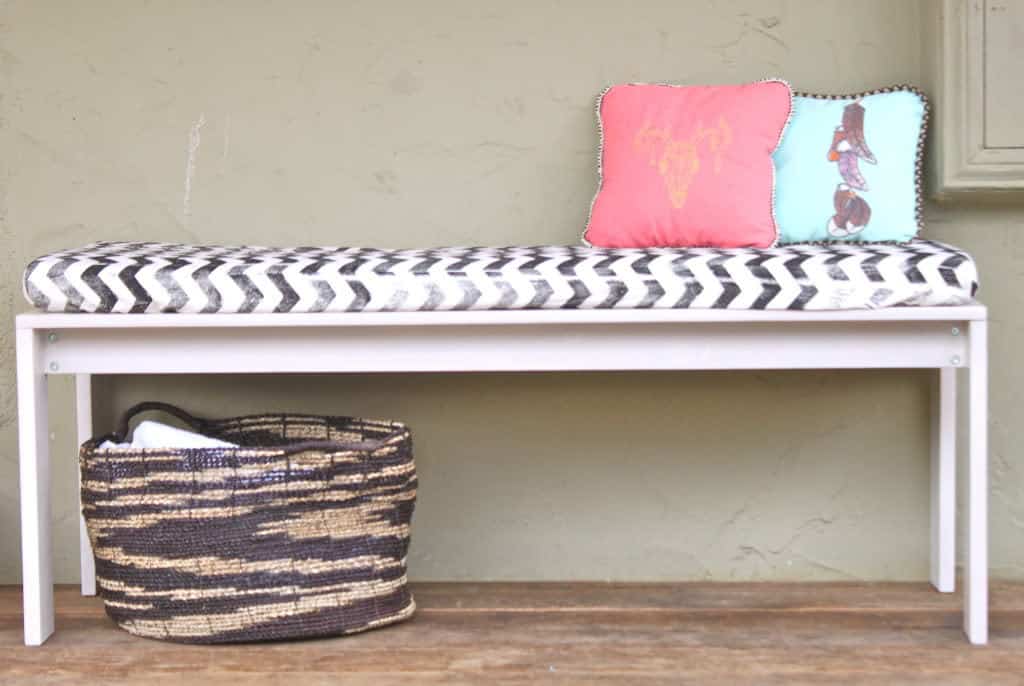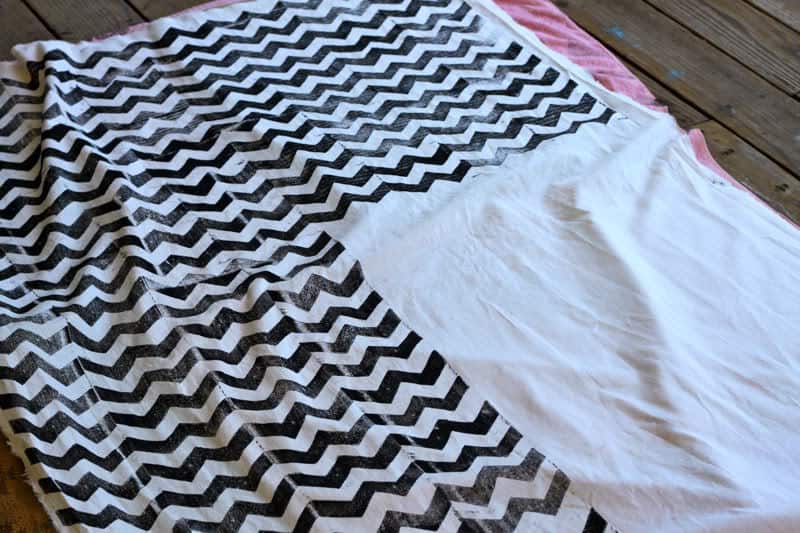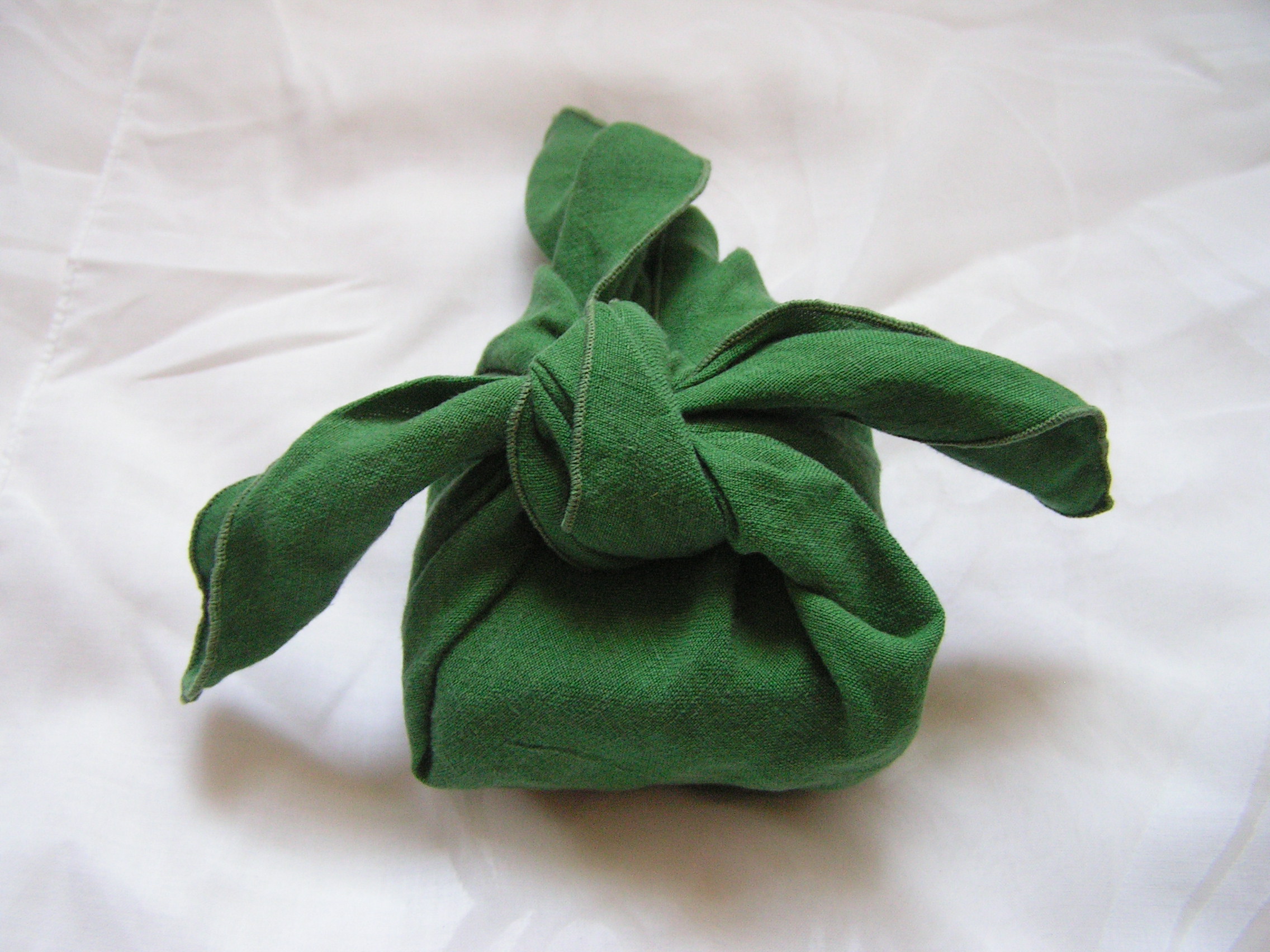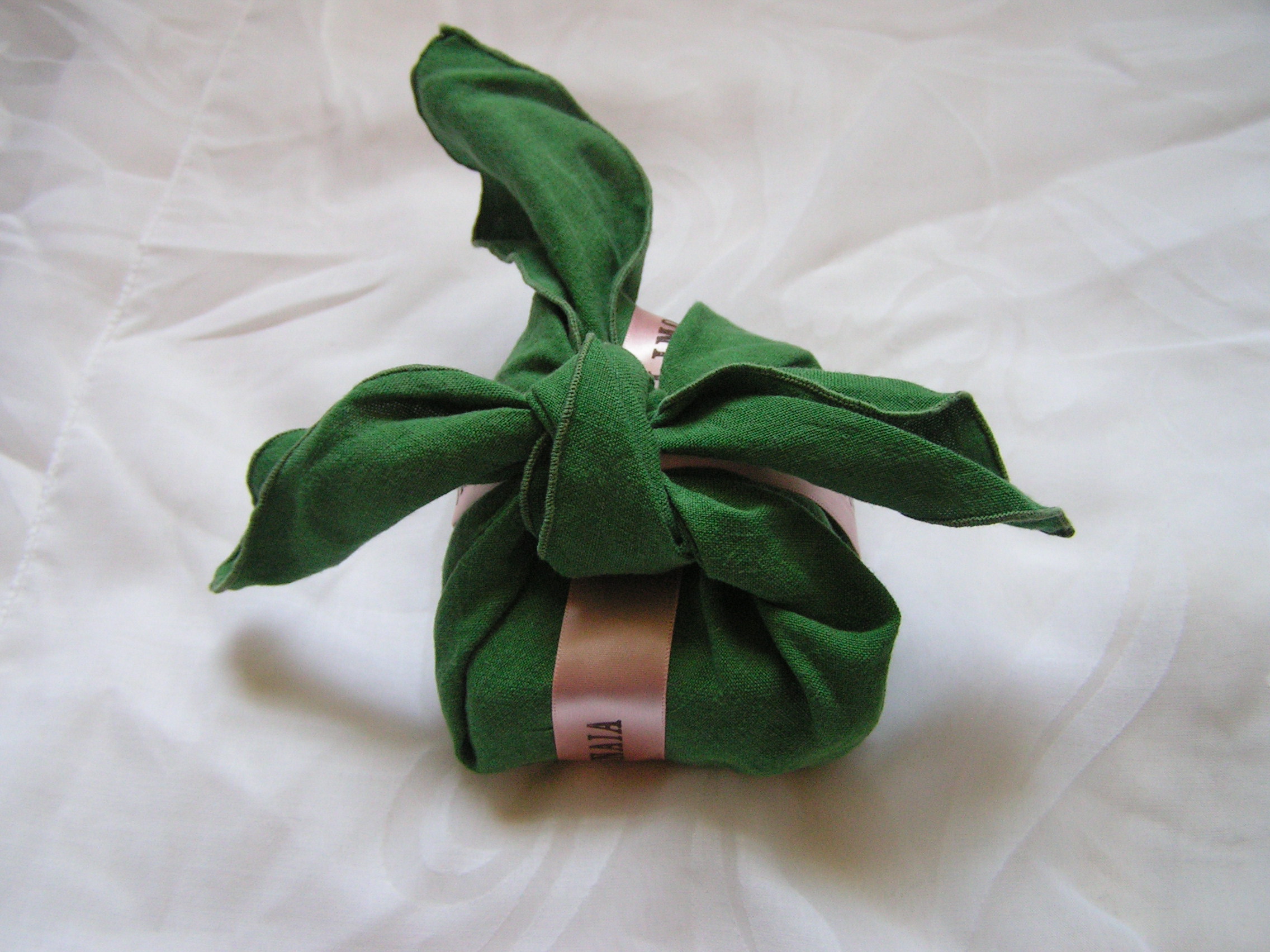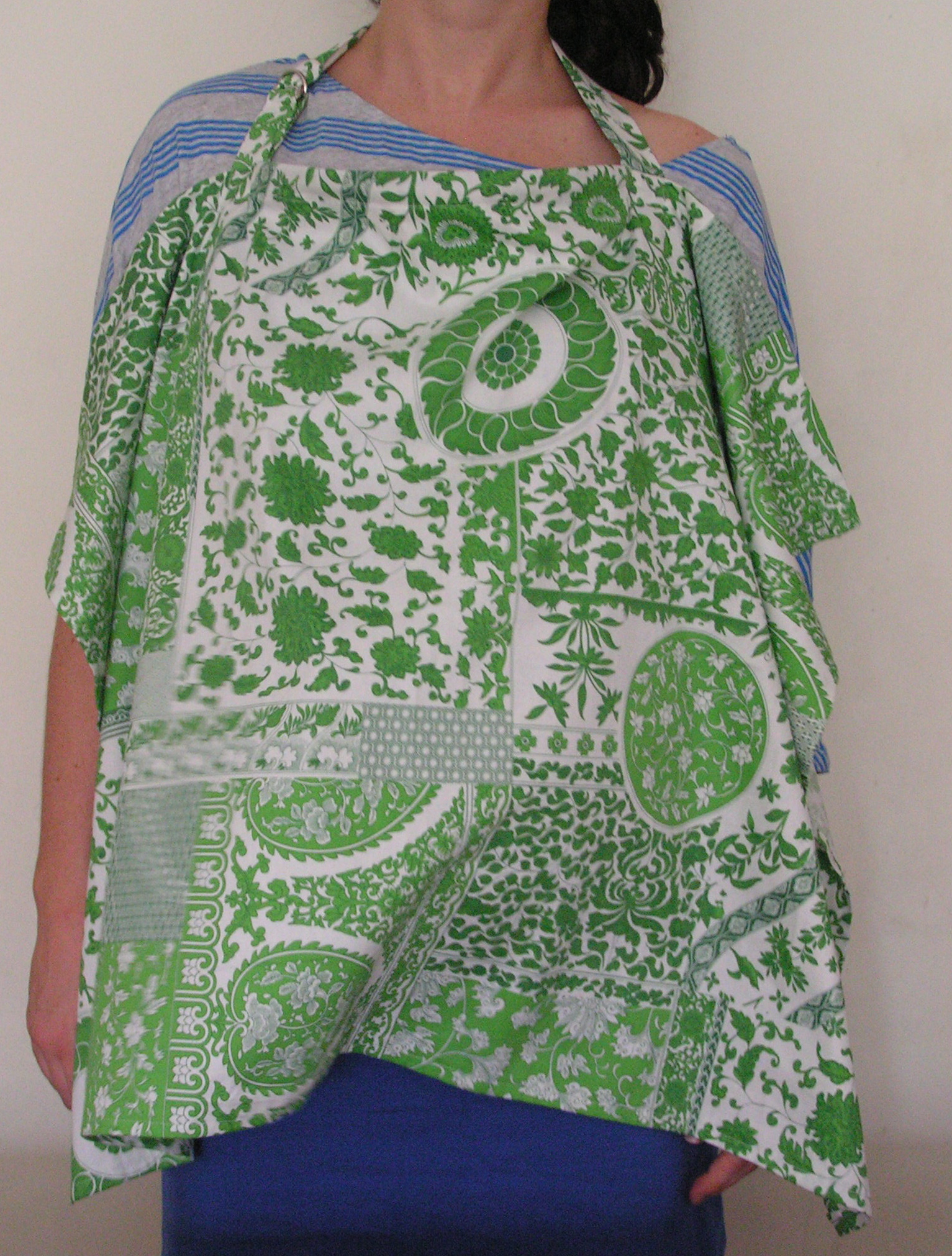
Made this nursing cover by following these steps from Diary of a Quilter. It was pretty easy. Tip: If sewing in a square is too difficult, you can sew in an “X.”
|
Made this nursing cover by following these steps from Diary of a Quilter. It was pretty easy. Tip: If sewing in a square is too difficult, you can sew in an “X.”
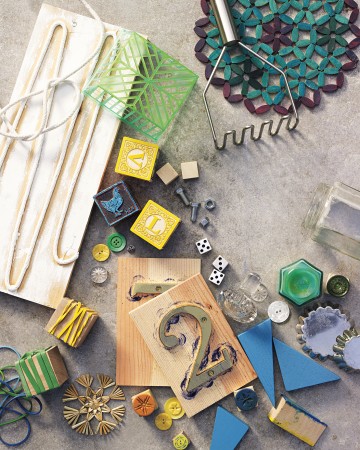
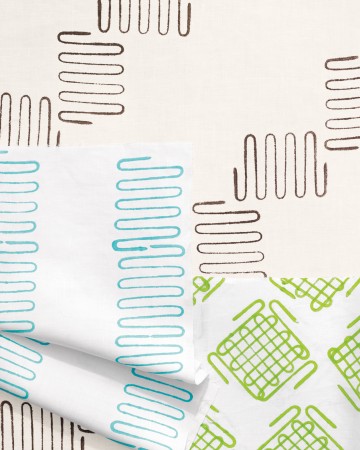
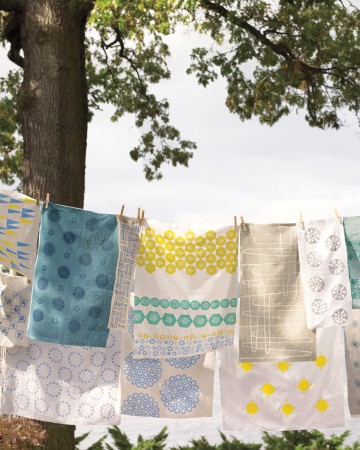
Martha Steward Living has an article on block printing with everyday objects like potato mashers, dice, buttons, etc. If you want to block print on fabric, use fabric paint. In order to achieve a sheer finish, mix one part paint with three parts lightener medium (colorless extender). Then, spread the paint on a palette and dab the paint onto the object with a foam pouncer. See the full article here.
If you’re in one of the cities below, try to attend Renegade Craft Fair:       Brooklyn’s Fair is June 23 + 24, 2012 from 11am-7pm each day at the East River State Park, aka the Williamsburg Waterfront (just a few blocks from our old location in McCarren Park). My friend Marie Yi will have a booth called Good Season selling handmade jewelry. Renegade Craft Fair also has a Holiday Market in December.
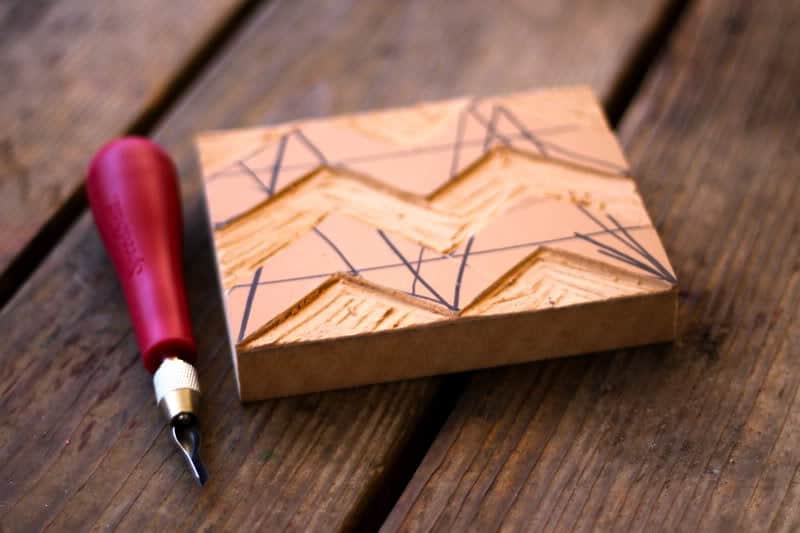
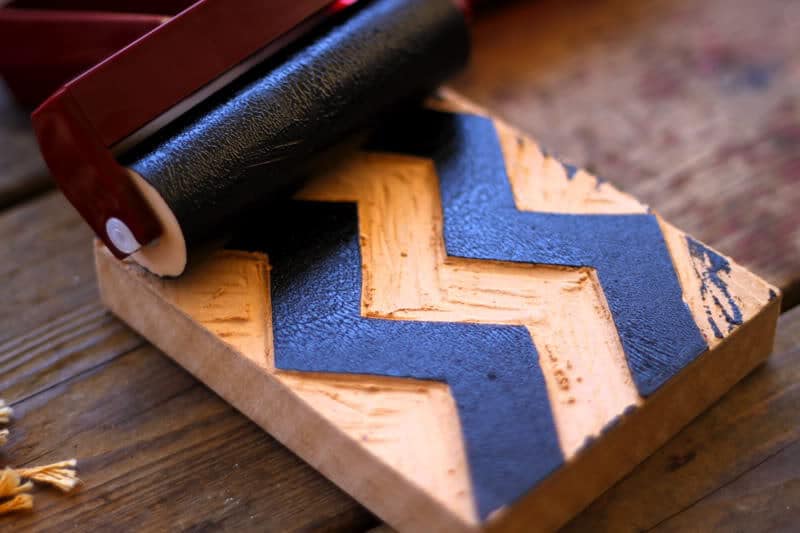
I didn’t know that printing your own fabric could be this easy! See this Prudent Baby post for full directions.
My friend Maura Grace was interviewed by Design Sponge about her process of naturally dying fabrics. See this post for the full interview.
1. Design Sponge: What is in your toolbox?
Maura Ambrose: I have many toolboxes and there is a considerable diversity in forms and locations. I grow natural dyes, and dye small batches of fabric for my quilts. My work is process-oriented, and the natural dying aspect of my work is seasonal. When I don’t save my own seeds, I buy them online. I have found that Fedco Seeds has a good selection of medicinal herbs and dye plants. For dye-ready fabric and a fun selection of prepared natural dyes, my top shops are Dharma Trading, Earth Guild, and Earthhues. I collect an abundant amount of onion skins from the organic farm I used to work at, Johnson’s Backyard Garden; it’s always a good thing to be friends with a farm. In the making of my quilts, I patchwork my dyed fabrics with other fabrics from my shelves, both vintage and new. I’m always searching for fabrics, but I am very picky and only use all-natural fibers. I usually find my favorite fabrics at yard sales and flea market-type shops. I collect most of my dyeing materials like pots, measuring cups, and spoons at thrift stores. I have found the best place to buy an iron is at a hardware store such as Home Depot or Lowe’s. At the hardware store you will find the classic metal irons, instead of fancy plastic irons. Another trick of the trade is buying a cutting mat online; it’s a much better deal and [there are] better color options than buying it from a sewing supply shop. I sourced mine from www.alvinco.com. I couldn’t live without my “Bernina” sewing machine and “Nimble” leather thimble. I use cotton Japanese sashiko thread and sashiko needles for hand quilting. I recently asked my local sewing shop to order it and keep it in stock; this is helpful because I never found an online source that I was happy with, and because it is a supply that I use consistently, the cost of shipping was adding up.
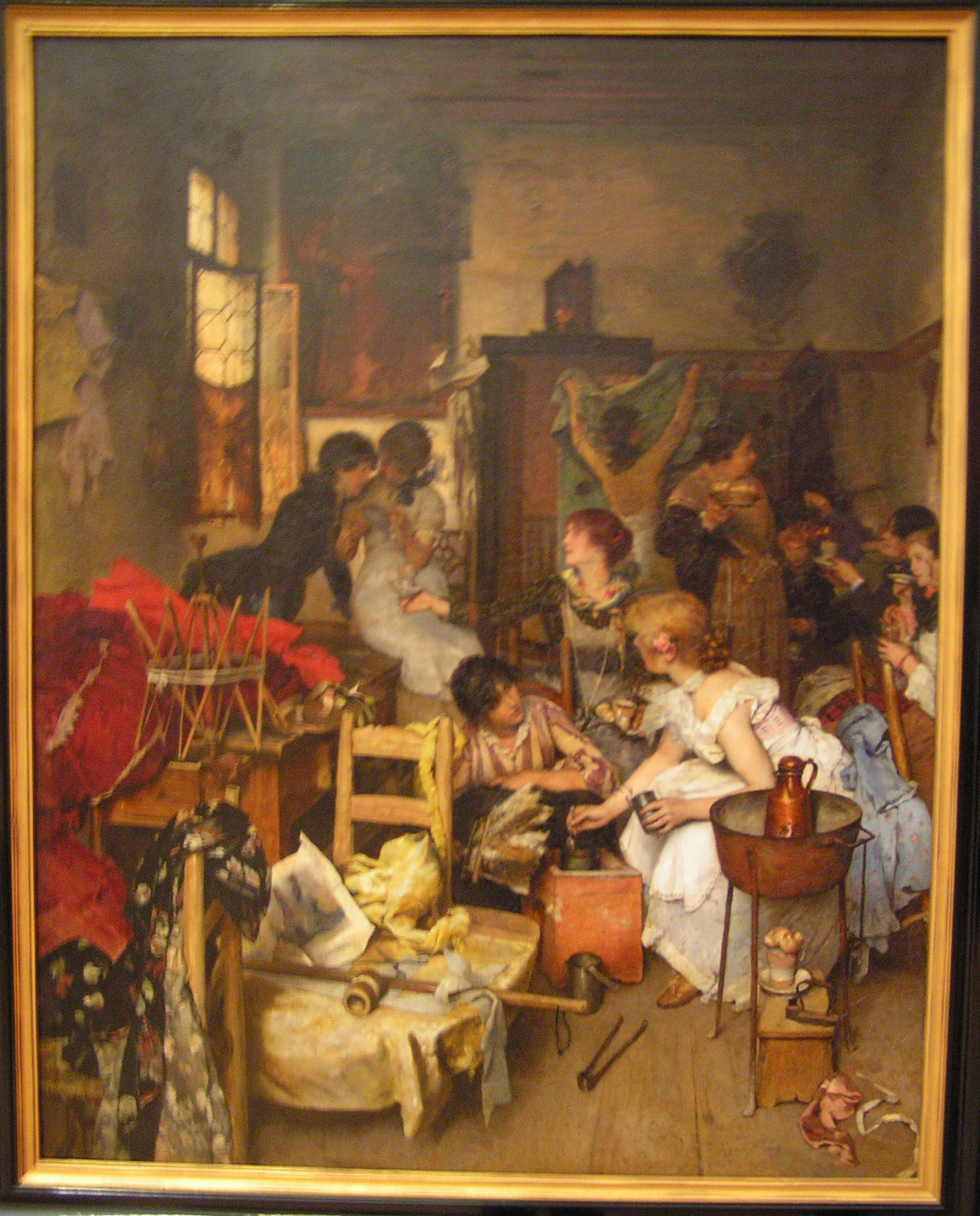
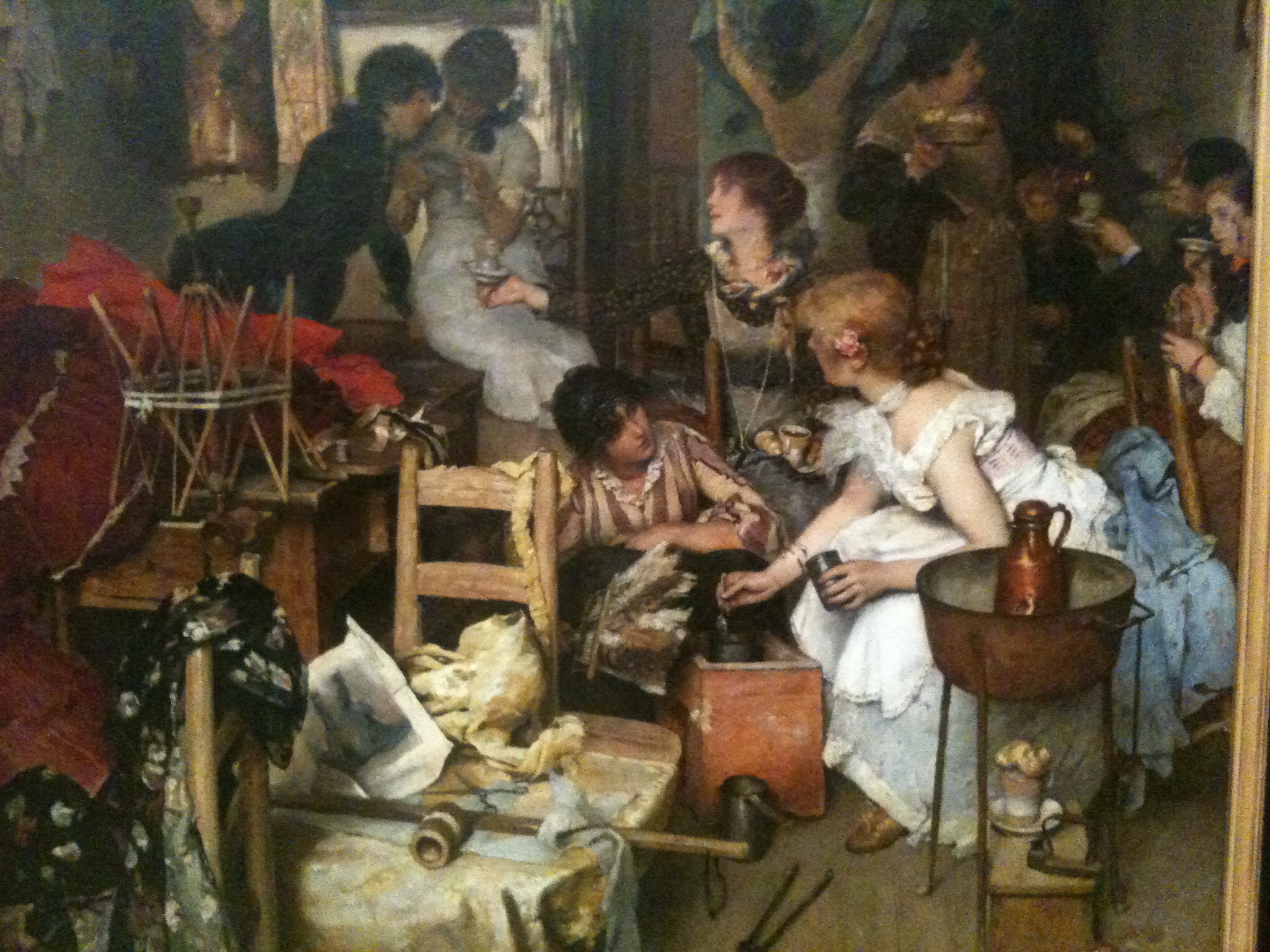
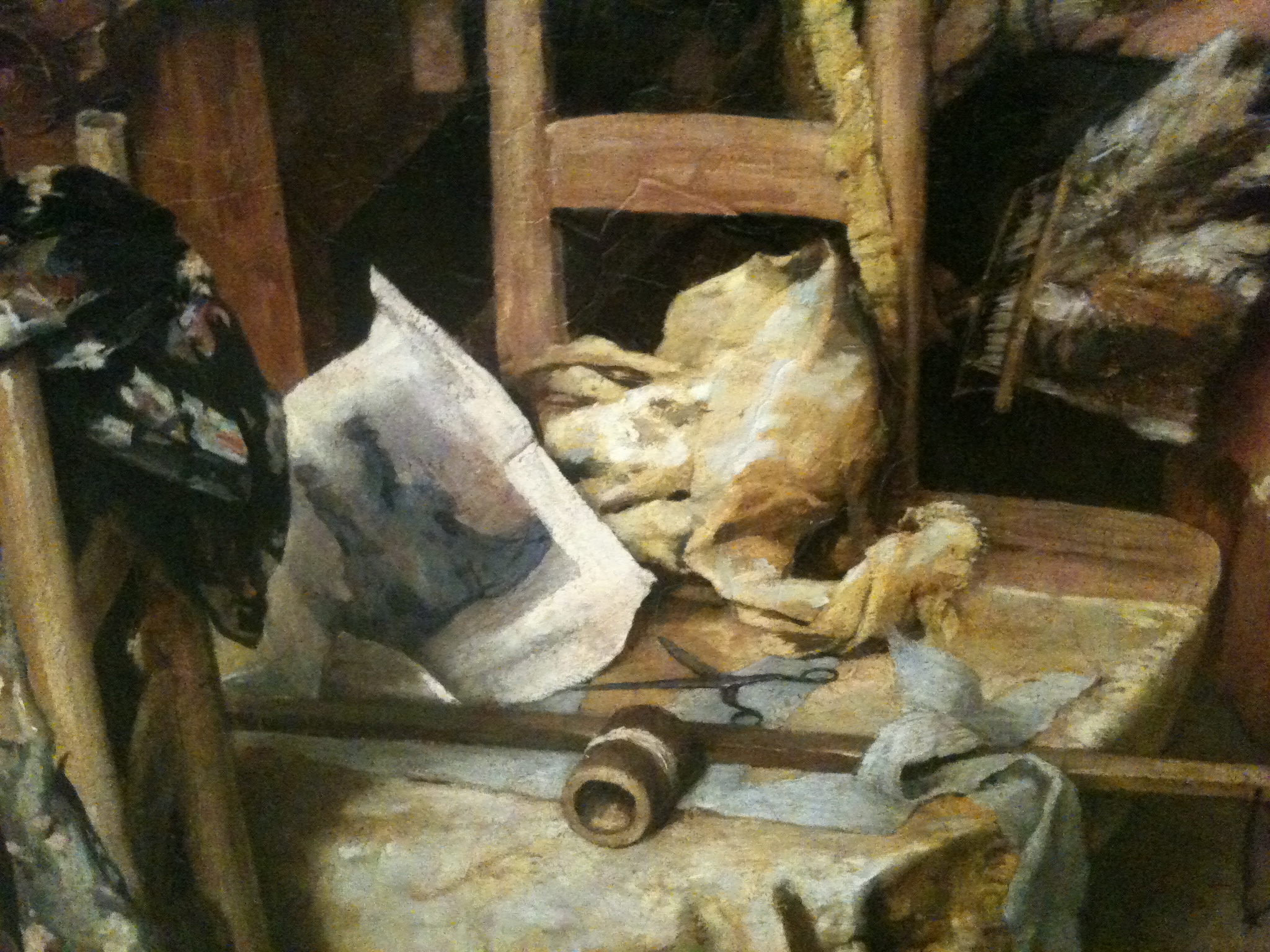
Afternoon Coffee, Venice; Cecil van Haanen (1844-1914), The Netherlands, England, oil on canvas I enjoyed seeing this on view at the Auckland Art Gallery in New Zealand the other week. What do you notice in the painting? According to the text, “The convivial image of seamstresses having a coffee break details some of the tools and processes involved in their craft. In the foreground, a fashion illustration, probably torn from a popular magazine, sits atop a length of cloth laid out for cutting. The flat iron had to be heated on a stovetop, and a collapsible wooden cotton winder holds thread ready for use. Although the sewing machine had been introduced in the 1850’s, everything here appears to be sewn by hand.”
If making a dress from scratch seems intimidating and following a pattern seems daunting, all you have to do is lay fabric over a dress that already fits you and cut around it. Perhaps you have a dress that fits you perfectly and you wish you had more like it, or maybe you have a vintage dress that you would love to replicate. See part 1 of Crafty Channel’s youtube video on how to easily re-create your favorite dress without a pattern. (Just make sure you use the same fabric from which the dress is made so that it will fit correctly).
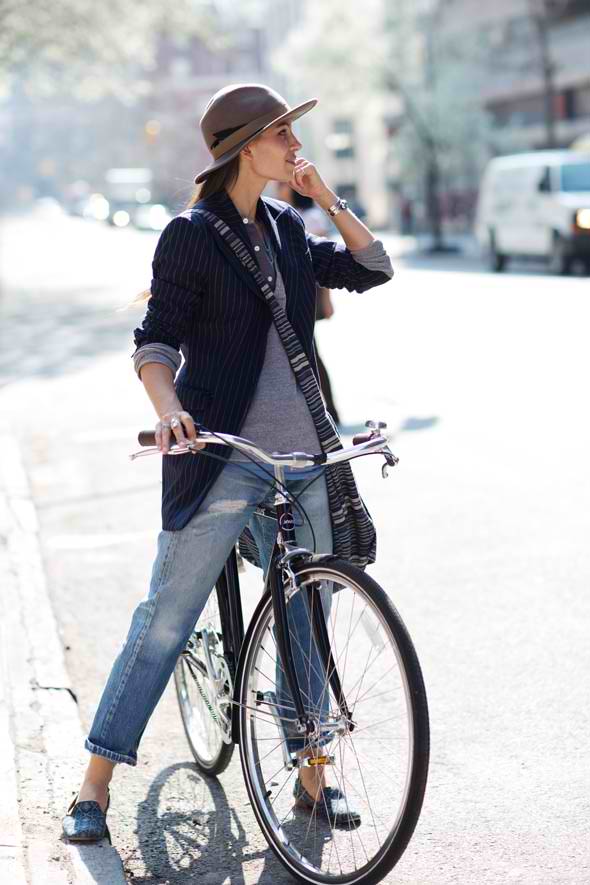
I like this image taken at University Place, New York, via The Sartorialist. I love the laid back way the style is mixed and matched together…topped with a hat.
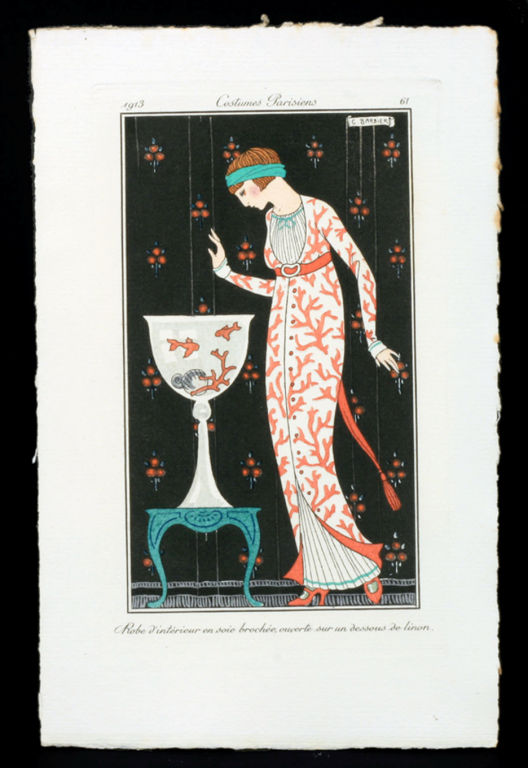
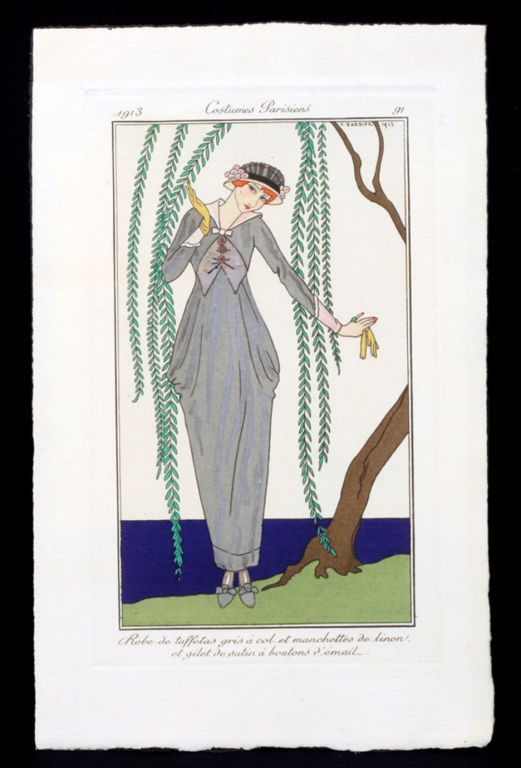
Old books are always so inspiring to me. I love the illustrated patterns in the Journal Des Dames et Des Modes. The first edition came out in 1912 and the last one in 1914 due to the outbreak of World War I. Journal Des Dames was said to portray the most refined Parisian elegance and illustrated by the most gifted designers of the time. An original copy can be found at Manhattan Rare Books for $28, 000. |